Monday, July 20, 2026
Home Blog Page 13

Unveiling the Chilling Trade: Everest Ransomware Group Exposes PrimeImaging’s Confidential Data

0

Source: XSS Forum
Source Reliability: Reliable
Information Reliability: Undecidable
Motivation: Cyber Crime
Source Category: Darknet
Severity: Low

Summary
Threat Research recently discovered a disturbing post on the Russian-language cybercrime forum called ‘XSS’. The post revealed that the notorious Everest Ransomware Group is currently advertising sensitive data related to the highly reputable US healthcare service provider, PrimeImaging.

PrimeImaging, a prominent player in the healthcare industry, prides itself on delivering top-notch medical services to countless patients. However, this report sheds light on a potential threat to their operations and their commitment to patient confidentiality.

The Everest Ransomware Group, known for its sophisticated cyberattacks and data breaches, seems to have set its sights on PrimeImaging. Their advertisement on ‘XSS’ suggests that they have gained unauthorized access to crucial data belonging to the healthcare provider, compromising the security and privacy of a vast number of individuals.

The revelation of this breach comes as a warning to both PrimeImaging and its patients. It emphasizes the urgent need for enhanced cybersecurity measures within the healthcare industry. The potential consequences of this breach are dire, as sensitive patient data, such as medical records, Social Security numbers, and financial information, may be at risk.

Given the ongoing pandemic and the increased reliance on digital healthcare services, this breach could potentially disrupt PrimeImaging’s ability to provide essential medical care to patients and adversely impact public health. The implications extend beyond PrimeImaging itself, as the compromised data could be exploited for various nefarious purposes, including identity theft, fraud, and targeted attacks on individuals.

In light of these alarming circumstances, PrimeImaging must take immediate action to contain the damage, safeguard patient information, and fortify its cybersecurity defenses. This incident should serve as a wake-up call for the healthcare industry as a whole, prompting organizations to reevaluate their security protocols and invest in robust systems to prevent future breaches.

Moreover, law enforcement agencies and cybersecurity experts must collaborate to track down the members of the Everest Ransomware Group and bring them to justice. Such cybercriminal organizations thrive on the anonymity provided by online forums and demand hefty ransoms in exchange for stolen data. It is crucial to disrupt their operations and deter others from engaging in similar criminal activities.

Additionally, the incident highlights the need for governments and regulatory bodies to impose stricter cybersecurity regulations on healthcare organizations. By enforcing comprehensive data protection guidelines and implementing regular audits, authorities can create a safer environment for patients and ensure that their personal information remains confidential.

In conclusion, the discovery of the Everest Ransomware Group’s advertisement on the ‘XSS’ cybercrime forum, offering sensitive data related to PrimeImaging, unveils a significant threat to patient privacy and healthcare operations. PrimeImaging must take swift action to mitigate the breach, strengthen its cybersecurity infrastructure, and reassure patients of their commitment to data protection. This incident underscores the urgency for improved security measures within the healthcare industry as a whole, along with collaboration between law enforcement agencies, cybersecurity experts, and regulatory bodies. Now more than ever, the protection of personal information, especially in the healthcare sector, is of utmost importance.

Breaking Borders: Unmasking IntelBroker’s Mobile Banking Exploit Targeting Revolut

0

Source: BreachForums, Online Engagement
Source Reliability: Trustworthy
Information Reliability: Undecidable
Motivation: Cyber Crime
Source Category: HUMINT
Severity: Medium

Summary
Report Summary:
In this report, Threat Research recounts an online engagement with a Threat Actor (TA) known as ‘IntelBroker’ on the cybercrime forum ‘BreachForums’. The objective of the engagement was to investigate the sale of an exploit targeting a popular mobile banking application, which was estimated to have a user base of over 10 million individuals. Throughout the engagement, the TA revealed that the targeted application belonged to Revolut, a prominent neobank and financial technology company based in London.

The report begins by providing an overview of the online engagement process and its significance in gathering intelligence on cybercriminal activities. The researchers emphasize the ethical considerations and precautions taken to ensure the safety of all parties involved. By adhering to strict guidelines, they aimed to minimize any potential harm or legal implications associated with engaging with a threat actor.

Next, the report delves into the details of the targeted mobile banking application. The application, widely used by millions of users, presented an appealing target for cybercriminals seeking to exploit vulnerabilities. The researchers note that the precise identity of the application was initially undisclosed, but the TA claimed it to be Revolut—a well-known global neobank and fintech company headquartered in London.

The report further explores Revolut’s background and prominence in the financial technology industry. The researchers highlight the company’s rapid growth and its extensive user base, acknowledging the potential impact of a successful exploit on such a widely used platform. The implications range from financial losses for individuals and the company to significant reputational damage.

Regarding the TA’s claims, the researchers provide an analysis of the credibility and veracity of the information shared during the engagement. They evaluate the potential motivations of the TA, such as financial gain, insider knowledge, or malicious intent. Additionally, the report discusses the potential risks and challenges associated with relying solely on information from a threat actor.

Lastly, the report concludes by emphasizing the necessity for immediate action to mitigate the potential risks identified during the engagement. It highlights the importance of collaboration between cybersecurity professionals, financial institutions, and technology companies like Revolut to address vulnerabilities and safeguard users’ financial data. The report suggests that Revolut should be made aware of the potential threat to their mobile banking application and advises implementing enhanced security measures to prevent exploitation.

In conclusion, this report provides an account of an online engagement with a threat actor operating on a cybercrime forum. It reveals the identity of the targeted mobile banking application as Revolut, a globally recognized neobank. The report emphasizes the need for prompt action to protect users and urges collaboration between industry stakeholders to enhance security measures.

Cyber Alert: Unveiling the Surge – Latest findings on 27 recent Third-Party Data Breaches and Combo-Lists

0

Source: Threat Research
Source Reliability: Trustworthy
Information Reliability: Likely
Motivation: Cyber Crime
Source Category: Darknet
Severity: Low

Summary
In the two-week period from January 16 to January 31, 2024, Threat Research made significant additions to its collection of third-party breaches. A total of 27 new databases and combo-lists were obtained, providing valuable insights into the activities of various cybercriminals. These databases and combo-lists were discovered on numerous cybercrime forums and Telegram channels, indicating a widespread sharing of compromised information by multiple Threat Actors (TAs).

The term “combo-lists” refers to databases containing a combination of personal credentials such as usernames and passwords. These combo-lists are often compiled through various means, including website compromises or data obtained from organizations. By analyzing these combo-lists, Threat Research aims to identify common patterns and trends in cybercriminal activities, ultimately strengthening defenses against future breaches.

The collection of third-party breaches acquired during this period is a testament to the persistent and evolving nature of cybercrime. It highlights the continued efforts of Threat Actors to compromise websites, obtain sensitive information, and exploit security vulnerabilities. The discovery of these databases and combo-lists on cybercrime forums and Telegram channels further underscores the collaborative nature of cybercriminal networks, where information and tools are regularly shared and traded.

By monitoring and analyzing these cybercrime forums and Telegram channels, Threat Research gains important insights into the tactics, techniques, and procedures employed by Threat Actors. This allows for a better understanding of their motivations and intentions, aiding in the development of proactive strategies to prevent and mitigate potential breaches.

The addition of 27 new databases and combo-lists to Threat Research’s collection expands the scope and depth of the organization’s knowledge base. This wealth of information not only benefits Threat Research in its ongoing efforts to protect against cyber threats but also provides valuable intelligence to organizations and individuals seeking to enhance their own security measures.

It is important to note that these third-party breaches are not isolated incidents but rather indicative of a larger problem in the cybersecurity landscape. Cybercriminals continue to exploit vulnerabilities in websites and systems, emphasizing the need for constant vigilance and proactive security measures.

In conclusion, the acquisition of 27 new databases and combo-lists by Threat Research during the period of January 16 to January 31, 2024, sheds light on the activities of numerous Threat Actors operating in the cybercrime landscape. These databases and combo-lists, shared on various platforms, serve as valuable resources for understanding and mitigating cyber threats. By analyzing and monitoring these breaches, Threat Research continues to strengthen its defenses and support the broader cybersecurity community in the never-ending battle against cybercrime.

Under Siege: Threat Actor ‘m1000’ Exploits Official Domain of Mexico’s President with Admin Privileges

0

Source: BreachForums
Source Reliability: Not to be judged
Information Reliability: Undecidable
Motivation: Cyber Crime
Source Category: Darknet
Severity: Low

Summary
In a recent investigation, Threat Research found a concerning post on the cybercrime forum ‘BreachForums’. The post was made by a threat actor going by the username ‘m1000’, who claimed to possess website access to the official domain of the President of Mexico, ‘Presidencia de la Republica – Mexico’ [www.presidencia.gob.mx]. This discovery potentially poses significant security risks to the Mexican government.

The cybercriminal advertisement offered website access with admin privileges, suggesting that the threat actor had control over critical aspects of the official domain. Admin privileges grant extensive control over a website, including the ability to manipulate content, access sensitive information, and potentially carry out malicious activities.

Presidencia de la Republica – Mexico is the official website of the Mexican presidency, serving as a crucial platform for communication, policy updates, and public engagement. Any unauthorized access to this domain can have severe consequences, including the potential for spreading misinformation, compromising sensitive data, and undermining public trust.

The threat actor ‘m1000’ likely intends to monetize their illicit access to the website. Cybercriminals often sell such access to interested parties, including other cybercrime groups, enabling them to further exploit the compromised website for their malicious objectives. This jeopardizes the security and sovereignty of the Mexican government’s online presence.

If this breach goes undetected or unaddressed, the consequences could be widespread. The compromised website might become a hub for distributing malware or initiating phishing campaigns, targeting unsuspecting visitors. Moreover, the potential for unauthorized alteration of official documents and announcements could lead to misinformation spreading, causing public panic and undermining the credibility of the Mexican government.

It is imperative for the relevant authorities to swiftly investigate this incident and take appropriate measures to remediate the breach. This includes revoking the unauthorized access, conducting a comprehensive security audit of the website, and implementing stringent security measures to prevent future attacks.

Additionally, it is crucial to inform and educate the public about the potential risks associated with this breach. Transparency is key in maintaining public trust and enabling individuals to make informed decisions while engaging with the official website. The Mexican government should promptly communicate this incident and provide updated guidance on how to identify and avoid potential cyber threats.

Furthermore, cooperation and coordination with international cybersecurity agencies and organizations can strengthen the efforts to combat the cybercriminal activities of ‘m1000’ and similar threat actors. Sharing information about their tactics, techniques, and possible affiliations can aid in identifying the individuals responsible and preventing future attacks.

In conclusion, the recent discovery of a cybercriminal offering admin-level access to the official domain of the President of Mexico on a cybercrime forum is a significant cause for concern. Urgent action is needed to mitigate the risks associated with this breach, secure the website, and safeguard the integrity of the Mexican government’s online presence. Collaboration among relevant authorities, international cybersecurity agencies, and public awareness initiatives will be instrumental in addressing this evolving threat landscape.

Unveiling the Shadows: Exposing Threat Actor ‘m1000’ and the Underground Access Market Targeting the Mexican Secretariat of Health

0

Source: BreachForums
Source Reliability: Not to be judged
Information Reliability: Plausible
Motivation: Cyber Crime
Source Category: Darknet
Severity: Low

Summary
Threat Research recently discovered a concerning post on the cybercrime forum ‘BreachForums’ that highlighted a potential breach at the Mexican Secretariat of Health, known as salud.gob.mx. The post, made by a Threat Actor named ‘m1000’, advertised the availability of admin access to a web panel associated with this prominent agency responsible for national health policies and services. This revelation poses significant security risks and emphasizes the need for immediate action to mitigate potential damage and protect sensitive information.

The Mexican Secretariat of Health plays a critical role in managing health-related policies and services across the country. By breaching their web panel, Threat Actors gain access to a range of critical resources and information, including patient data, health policies, and potentially even sensitive government documents. The potential consequences of such a breach extend far beyond compromised personal data, as it could disrupt essential healthcare services and impact public trust in government systems.

The advertisement on ‘BreachForums’ by the Threat Actor ‘m1000’ raises concerns about the involvement of cybercriminals and the apparent ease with which they can exploit vulnerabilities in government systems. It also indicates a thriving underground market for stolen government data, highlighting the growing sophistication of cybercriminal networks and their desire to profit from illegal activities. This incident serves as a testament to the urgent need for enhanced cybersecurity measures across all governmental agencies, particularly those dealing with sensitive information and critical infrastructure.

To address this potentially disastrous situation, immediate actions must be taken. Firstly, the Mexican Secretariat of Health should be notified of this breach, ensuring they are aware of the significant security vulnerability and can take appropriate steps to secure their systems. This may involve conducting a detailed investigation to understand the full extent of the breach, identifying any compromised data, and implementing additional security measures to prevent future attacks.

Furthermore, collaborations between governmental agencies, cybersecurity firms, and law enforcement should be established to investigate the cybercrime activities of ‘m1000’ and other threat actors operating in similar forums. This will not only help identify the individuals responsible for the breach but also disrupt their networks and prevent further illegal activities, safeguarding not just the Mexican Secretariat of Health but also other potential targets.

In addition to these immediate measures, there is a pressing need for proactive cybersecurity practices to be adopted. Regular assessments and updates of security systems, including firewalls, intrusion detection systems, and endpoint protection, should be implemented. Continuous employee training and awareness programs can help prevent successful phishing attempts and educate staff about the latest cybersecurity threats. Encouraging a culture of cybersecurity awareness within the organization is vital to protecting against future breaches.

Lastly, the Mexican Secretariat of Health must consider the larger implications of this incident and work towards reinforcing cybersecurity across the healthcare sector as a whole. Collaboration between governmental bodies, healthcare providers, and technology vendors can facilitate the development of robust security frameworks and standards that safeguard sensitive patient data and secure critical systems.

The breach at the Mexican Secretariat of Health, as highlighted by the ‘m1000’ advertisement on ‘BreachForums’, serves as a wake-up call for both governmental agencies and the healthcare sector. It emphasizes the need for proactive cybersecurity measures, collaboration between stakeholders, and continuous monitoring to mitigate potential risks and protect valuable information. Failure to address these vulnerabilities may result in dire consequences for not only the organization but also the nation as a whole. It is crucial to act swiftly and decisively to prevent further harm and secure critical infrastructure.

Unveiling the Shadows: Exposing Threat Actor ‘champion168’ and the Elusive ICBC Database

0

Source: BreachForums
Source Reliability: Acceptable
Information Reliability: Undecidable
Motivation: Cyber Crime
Source Category: Darknet
Severity: Medium

Summary
In recent threat research, an alarming discovery was made on the notorious cybercrime forum ‘BreachForums’. A threat actor, known as ‘champion168′, boldly advertised the sale of a database allegedly containing over 30,000 records from the Industrial and Commercial Bank of China (ICBC), one of the largest state-owned banks in the country.

This revelation poses a grave concern not only for ICBC but also for the security of Chinese banking data as a whole. Given the significant role of ICBC in China’s economy and the sensitive information it holds, such a breach could have far-reaching implications for both individuals and the nation’s financial stability.

Champion168’s audacious advertisement highlights the growing trend of cybercriminals targeting financial institutions, and particularly state-owned banks, as lucrative sources of valuable data. This incident brings to the forefront the urgent need for increased cybersecurity measures across the banking sector, not just in China but globally.

The potential impact of this breach cannot be underestimated. With over 30,000 records reportedly up for sale, it raises concerns about the exposure of personal and financial information of ICBC customers. The breadth of details that could be compromised includes account numbers, names, addresses, contact information, and possibly even more sensitive financial data.

Additionally, the fact that this breach is being openly advertised on a public forum suggests a growing brazenness among threat actors. It demonstrates their confidence in their ability to infiltrate secure systems and their willingness to exploit sensitive information for financial gain, even at the risk of detection. This serves as a stark reminder of the evolving and daring nature of cybercrime.

While the authenticity of the database advertised by champion168 remains unverified, the existence of such a post serves as a wake-up call for organizations, urging them to proactively strengthen their security measures. Financial institutions, in particular, must reevaluate their cyber defenses, considering the potential for advanced persistent threats that can bypass traditional security protocols.

In response to this concerning development, it is crucial for ICBC to swiftly investigate the authenticity of the claims made by champion168 and take immediate action to safeguard their customers’ data. As this incident may have broader implications for the Chinese banking industry, it is also imperative for other state-owned and private banks to collaborate and share threat intelligence to prevent similar attacks.

Furthermore, law enforcement agencies should intensify their efforts to track down and bring cybercriminals like champion168 to justice. These actions would serve as a deterrent and contribute to the overall protection of critical financial infrastructure.

As individuals, it is essential to remain vigilant in safeguarding personal information. Customers of ICBC and other banks should monitor their accounts closely for any suspicious activity and promptly report any unauthorized transactions. Additionally, adopting strong and unique passwords for online banking accounts and enabling multifactor authentication can provide an added layer of security against potential attacks.

In conclusion, the discovery of champion168’s advertisement on the BreachForums regarding a database from ICBC highlights the pressing need for enhanced cybersecurity in the banking sector. This incident serves as a stark reminder that threat actors continue to target financial institutions, jeopardizing not only individual customers but also the stability of economies. It is imperative for ICBC and other banks to take immediate action to investigate and mitigate this potential breach, while also reinforcing security measures to prevent future attacks. Collaboration among financial institutions, law enforcement agencies, and individuals is crucial in combatting the evolving threat landscape and protecting critical data from falling into the wrong hands.

Maximl Code Leak: Unveiling the APTwin Threat Actor’s Intrusion into an Indian Technology Company

0

Source: BreachForums
Source Reliability: Reliable
Information Reliability: Plausible
Motivation: Cyber Crime
Source Category: Darknet
Severity: Low

Summary
Report Summary:

This report discusses the discovery made by Threat Research on the cybercrime forum ‘BreachForums’. A Threat Actor going by the name ‘aptwin’ was found advertising access and the source code of Maximl, an Indian technology company. The report provides insights into the potential implications and recommendations for addressing this threat.

Analysis:

The presence of threat actors in cybercrime forums is a growing concern for organizations and individuals alike. In this particular case, the Threat Actor operating under the moniker ‘aptwin’ has caught the attention of Threat Research with their advertisement of access and source code related to Maximl, an Indian technology company.

Maximl, located at www.maximl.com, is an established player in the technology industry with a wide range of services and solutions. The exposure of their source code poses significant risks, including the potential for unauthorized access, data theft, and exploitation of vulnerabilities. Such incidents can lead to reputation damage, financial losses, and the compromise of sensitive information.

The report emphasizes the urgency of addressing this threat. The potential consequences of unauthorized access to Maximl’s source code cannot be underestimated. Competitors or threat actors may exploit this access to gain a competitive advantage or even launch targeted attacks against the company’s customers. Maximl must act swiftly to mitigate the risks associated with the breach.

Recommendations:

To address this serious threat, several recommendations are made:

1. Conduct a thorough investigation: Maximl should promptly investigate the source and extent of the breach. This will help determine the potential impact and identify necessary remediation steps.

2. Engage cybersecurity experts: Maximl should involve cybersecurity experts who can assist in evaluating the breach and recommending appropriate countermeasures. These experts can help in assessing the current security posture, identifying vulnerabilities, and developing a robust incident response plan.

3. Secure the compromised systems: It is crucial for Maximl to contain the breach and secure their systems. This process may involve isolating affected servers, resetting access credentials, and patching any vulnerabilities that may have been exploited.

4. Communicate with stakeholders: Maximl must maintain transparency and communication with their customers, employees, and other stakeholders. Timely updates regarding the breach, mitigation efforts, and any potential impact on stakeholders’ data or services are essential to maintain trust and credibility.

5. Enhance cybersecurity measures: Maximl should use this incident as an opportunity to improve their overall cybersecurity posture. This may include implementing multi-factor authentication, regular security audits, employee training on security best practices, and continuous monitoring of systems for potential threats.

Conclusion:

The discovery of the advertisement by ‘aptwin’ on ‘BreachForums’ highlights the increasing threats posed by cybercriminals. Maximl must act swiftly to minimize the potential impact of this breach. By engaging cybersecurity experts, securing compromised systems, and enhancing their overall cybersecurity measures, Maximl can mitigate further risks and protect their reputation and customer trust.

Inside the Shadows: Unveiling SeviuM’s ESX Rootkit Source Code

0

Source: XSS Forum
Source Reliability: Not to be judged
Information Reliability: Plausible
Motivation: Cyber Crime
Source Category: Darknet
Severity: Low

Summary
Report Summary:

This report highlights a significant cyber threat discovered on the Russian language cybercrime forum ‘XSS’. It reveals that a malicious actor, using the alias ‘SeviuM’, has been advertising the availability of source code for an ESX rootkit. This rootkit is designed to infiltrate and exploit vulnerabilities in all versions of ESX up to version 6.7.0.

The ESX rootkit, as advertised by SeviuM, poses a severe threat to the security and integrity of ESX systems. By accessing and manipulating the rootkit’s source code, cybercriminals can exploit vulnerabilities and gain unauthorized control over a VMware ESX infrastructure.

With the increasing popularity of virtualization technologies like ESX, the availability of such malicious tools poses a significant concern to organizations relying on these systems. The potential impact of a successful attack utilizing this rootkit can be devastating, including unauthorized access to sensitive data, disruption of operations, and financial loss.

ESX rootkits are particularly alarming due to their compatibility with all versions of ESX up to version 6.7.0. This means that a vast number of ESX deployments, including those running on the latest versions, are vulnerable to exploitation. The wide-ranging potential impact of this rootkit necessitates immediate attention and mitigation efforts from ESX administrators and security teams.

It is imperative for organizations using ESX to assess their systems for potential vulnerabilities and ensure they have implemented the necessary security measures to mitigate the risk posed by this rootkit. This includes promptly updating to the latest version of ESX, as well as applying any relevant security patches and configurations.

Additionally, organizations should enhance their monitoring and detection capabilities to identify any suspicious activities or attempts to exploit vulnerabilities in their ESX infrastructure. Proactively monitoring network traffic, system logs, and user behavior can help identify signs of compromise and enable timely response and remediation.

Given the seriousness of this threat, collaboration among security professionals, organizations, and law enforcement agencies is crucial. Sharing threat intelligence and adopting best practices can assist in detecting and preventing the spread of this rootkit, as well as other emerging threats.

In conclusion, the advertisement of an ESX rootkit source code on the Russian language cybercrime forum ‘XSS’ by the threat actor ‘SeviuM’ highlights a significant cyber threat to ESX systems worldwide. Organizations utilizing ESX must take immediate action to assess vulnerabilities, implement security measures, and enhance monitoring capabilities to protect against potential exploitation by this rootkit. By doing so, they can safeguard their critical infrastructure, sensitive data, and overall business operations.

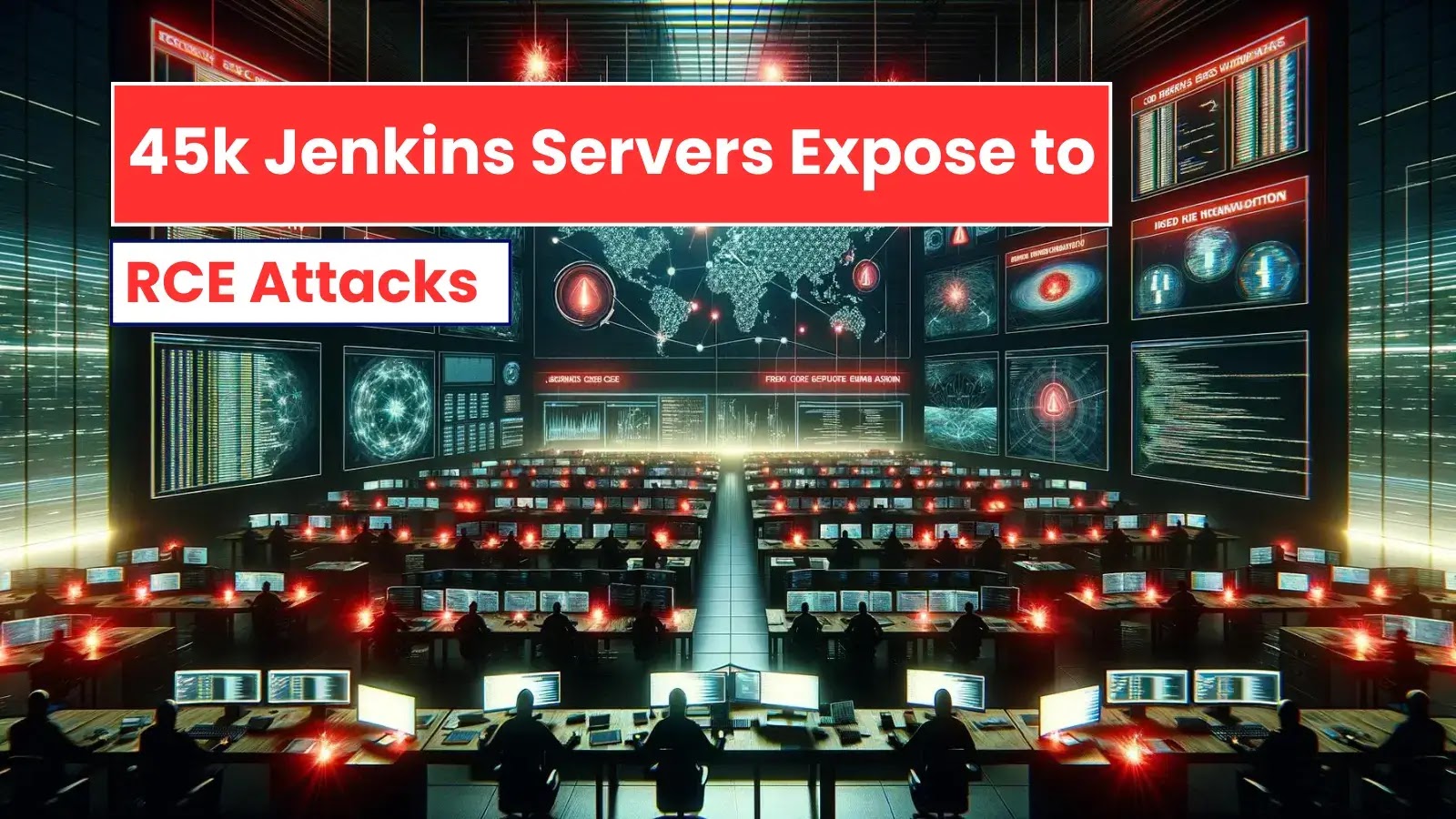
Vulnerable Jenkins: Over 45,000 Instances at Risk

0

Source: Media Blog Post
Source Reliability: Trustworthy
Information Reliability: Confirmed
Motivation: Unknown
Source Category: Media Trends
Severity: Medium

Summary
In a recent blog post, the Sonar Vulnerability Research Team shed light on a concerning discovery – security vulnerabilities in Jenkins, the widely-used open-source Continuous Integration and Continuous Deployment (CI/CD) software. These vulnerabilities pose a critical threat to the security of the product.

According to the team’s research findings, they have identified multiple proof-of-concept (PoC) exploits for a particularly alarming Jenkins vulnerability. This vulnerability allows unauthenticated attackers to gain access and read arbitrary files, worsening the potential consequences of an attack.

The availability of these PoC exploits in the public domain is a major cause for concern. It increases the risk of attacks, as malicious actors can easily utilize them to exploit the vulnerability without needing any prior authentication. The ability to read arbitrary files opens up a wide range of potential attacks, including unauthorized access to sensitive information and potential exposure of highly confidential data.

Jenkins is a popular platform used by many organizations in their software development cycle. It provides users with a powerful set of tools for continuous integration and deployment. However, the exploitation of these vulnerabilities could severely compromise the integrity and security of the entire development and deployment process. It can allow attackers to inject malicious code into the software, disrupt normal operations, or gain unauthorized access to sensitive systems.

The Sonar Vulnerability Research Team strongly advises organizations using Jenkins to take immediate action to address these vulnerabilities. They recommend applying the latest security patches or updates as soon as they become available. This will help protect against potential attacks and safeguard the integrity of the CI/CD process.

Additionally, it is crucial for organizations to implement robust security measures to mitigate the risk of future vulnerabilities. This includes regularly conducting vulnerability assessments and penetration testing to identify potential weaknesses and vulnerabilities in the software. By proactively addressing these issues, organizations can secure their CI/CD process and minimize the risk of exploitation.

Furthermore, it is essential for Jenkins users to stay informed about the latest security advisories and patches released by the official Jenkins community. These advisories provide valuable insights into emerging threats and recommended remediation strategies. By promptly applying these patches and updates, organizations can stay one step ahead of potential attackers.

In conclusion, the discovery of security vulnerabilities in Jenkins by the Sonar Vulnerability Research Team raises serious concerns for organizations relying on this CI/CD software. The availability of publicly accessible PoC exploits for critical vulnerabilities poses a significant threat to the security and integrity of the product. It is imperative for organizations to take immediate action to address these vulnerabilities, apply necessary updates, and implement robust security measures. By doing so, organizations can safeguard their CI/CD process and mitigate the risk of potential attacks. Staying informed about the latest security advisories and promptly applying patches is also crucial in staying protected from emerging threats.

Undercover Intrusion: Unveiling DBLand’s Network Access Advertisements Targeting China’s Ministry of Ecology and Environment

0

Source: BreachForums
Source Reliability: Not to be judged
Information Reliability: Undecidable
Motivation: Cyber Crime
Source Category: Darknet
Severity: Low

Summary
In a recent investigation conducted by Threat Research, a concerning discovery was made on the cybercrime forum ‘BreachForums’. An individual, operating under the pseudonym ‘DBLand’, was found to be offering network access to the Ministry of Ecology and Environment of the People’s Republic of China (www.mee.gov.cn) using the Virtual Network Computing (VNC) method.

This report sheds light on the activities of ‘DBLand’ and the potential implications of this network breach. The Ministry of Ecology and Environment plays a crucial role in the governance and protection of China’s ecological resources. Any unauthorized network access to this sensitive government institution raises significant concerns about the security of classified information and potential cyber espionage.

The advertisement found on ‘BreachForums’ indicates the extent of ‘DBLand’s operation and the potential value of the compromised network access. The use of VNC, a remote desktop sharing technology, allows for uninterrupted access and control of the targeted systems. This poses a significant threat as it provides the attacker with the ability to navigate through the Ministry’s network infrastructure and potentially gain access to highly classified data.

The motives behind ‘DBLand’s activities remain unclear. However, this report highlights the potential for financial gain, espionage, or even sabotage as possible catalysts. Given the nature of the breached network and the sensitivity of the information housed within it, it is crucial to consider the motives of the threat actor in order to fully comprehend the level of risk involved.

The potential consequences of this breach are not limited to the Ministry of Ecology and Environment alone. Any compromise of a government institution, especially one as significant as the Ministry, raises concerns about the overall cybersecurity infrastructure of China. It also raises questions about the level of preparedness and resilience against cyber threats within the government agencies responsible for safeguarding national security.

Addressing this breach requires a comprehensive response from both the Ministry of Ecology and Environment and the broader Chinese government. Immediate steps should be taken to identify and address the vulnerabilities that allowed ‘DBLand’ to gain unauthorized access. This includes conducting thorough security audits, patching any identified vulnerabilities, and possibly engaging the expertise of cyber forensics teams to investigate the extent of the breach.

Furthermore, sharing intelligence and collaborating with international cybersecurity organizations can help China gather more insights into the tactics, techniques, and procedures used by threat actors like ‘DBLand’. This information can be used to enhance the country’s cybersecurity capabilities and develop proactive defense strategies against similar attacks in the future.

In conclusion, the discovery of network access to the Ministry of Ecology and Environment via VNC on ‘BreachForums’ by ‘DBLand’ raises serious concerns about the security of China’s government institutions and the nation’s overall cybersecurity. The motives behind this breach remain uncertain, but the implications are far-reaching. Swift and decisive action is required to mitigate the risks and prevent any further compromise of sensitive data. Strengthening cybersecurity measures, conducting thorough investigations, and collaborating with international partners are vital steps towards safeguarding China’s national security and protecting against future cyber threats.

Website Icon
Privacy Overview

This website uses cookies so that we can provide you with the best user experience possible. Cookie information is stored in your browser and performs functions such as recognising you when you return to our website and helping our team to understand which sections of the website you find most interesting and useful.